
The Environmental Humanities Center welcomes three new PhDs who have started as of this September. Aldo Esparza Ramos and Leon Lapa Pereira in the project JUST ART: Creating Common Grounds for Climate Justice Through Artistic Research, and Karmen Samson in the project Synthetic Adventures: (un)sustainability and (dis)comfort in the design, making and use of outdoor clothing.
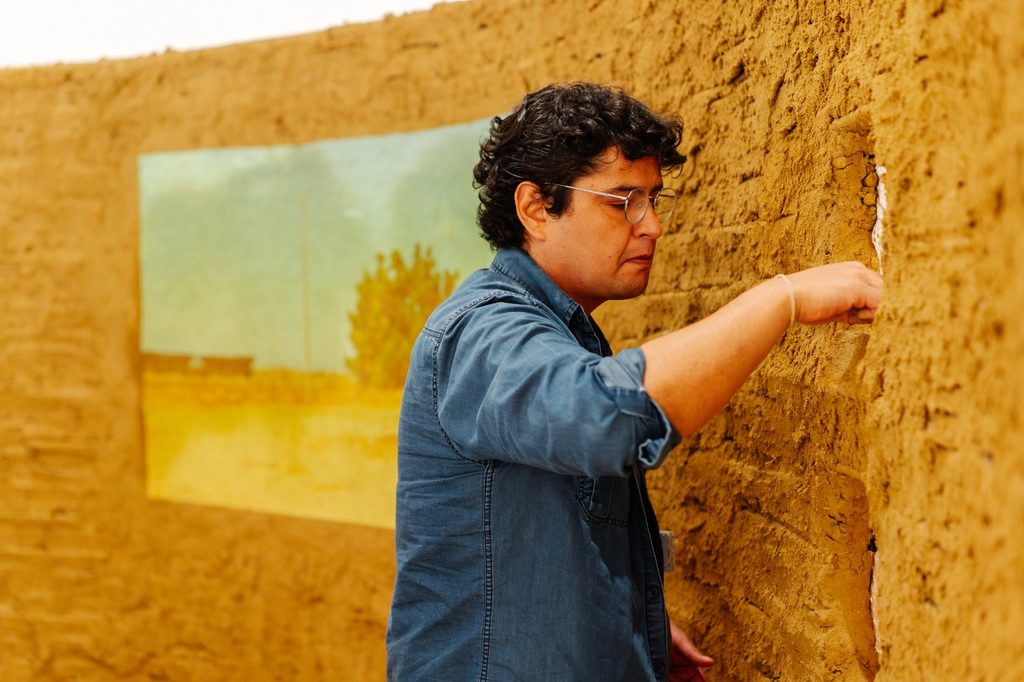
Aldo Esparza Ramos is an artistic researcher investigating how artistic practices can cultivate more attentive and regenerative relationships with soil and living territories, bringing Indigenous Earth knowledges, environmental humanities, and artistic research into dialogue. Aldo’s practice is grounded in community-based and relational forms of knowledge-making. Through installations, storytelling, participatory performances, weaving, cooking, and land-based practices, he creates spaces for encounters between human and more-than-human worlds. His work explores art as a form of listening, social healing, and re-existence, with relationality taking precedence over the artwork itself. Aldo is co-founder of Pluriversity Umunukunu (Pluriversity Weavers), developed in collaboration with the Iku (Arhuaco), and Weaving Realities, a collective exploring alternative ways of relating to the living Earth through artistic and communal practices. His Phd research (supervised by Katja Kwastek, VU, and Kyveli Mavrokordopoulou, VU) will focus on art and soil ecologies, exploring how artistic research practices can foster renewed ways of perceiving and relating to soil that support regenerative ecological relationships?
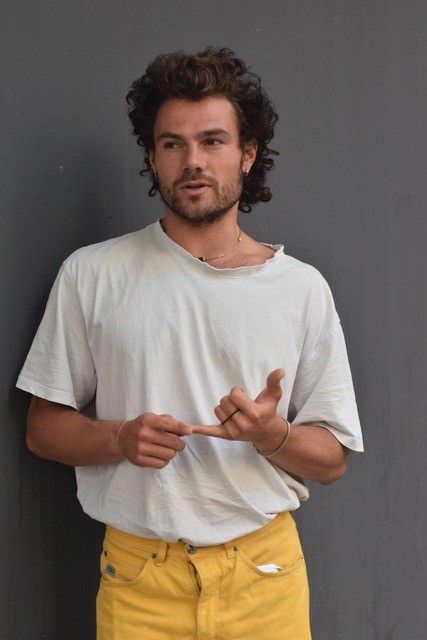
Leon Lapa Pereira is a cross-disciplinary performance researcher working at the intersection of art, ecology, and technology. His research centers on the Rights of Nature, with a particular focus on the rights of water and a critical, de-romanticized view of “nature.” With the Embassy of the North Sea, he co-developed the Confluence of European Water Bodies, a network of activists, lawyers, and ecologists examining how different cultures relate to water. Across this work he treats performance as both a method and a subject of inquiry, favoring site-specific, participatory approaches, stewardship and shared leadership. He is also a curator, agent and a coach at the Instrument Inventors Initiative and co-founder of Resonant Bodies Collective – an action-based research group – and of the WASTELAND festival, where he examines waste ecologies. Through self-organized residencies and retreats, he builds spaces for collective, ecological and experimental practices. His Phd research (supervised by Rob Lubberink, HvA, and Katja Kwastek, VU) project will focus on art and regenerative entrepreneurship, asking what financial and governance infrastructures enable regenerative enterprises to remain economically viable while recognizing the rights and interests of the ecosystems on which they depend.
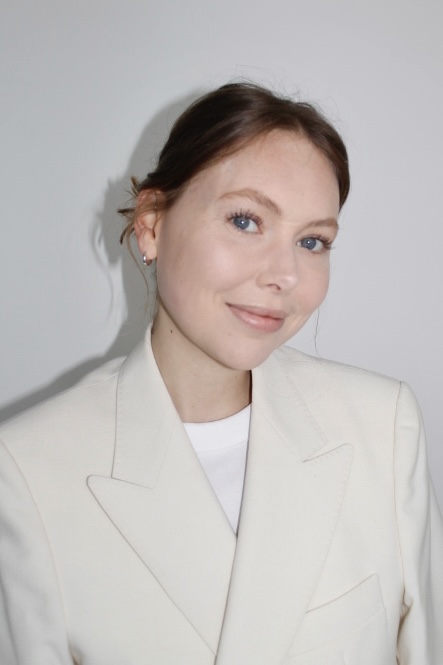
Karmen Samson is a fashion researcher and practitioner concerned with the role of fashion in contemporary life. She is co-founder of Pudding Platform, a writing and design platform dedicated to fostering dialogue between theory and practice. Her PhD research (supervised by Jane Tynan, and Gert-Jan Burgers, VU) critically engages with political, material, and environmental ontologies of outdoor leisure wear creating space for the stories that textile objects can tell. For her, garments, as highly intimate forms of material culture, have the capacity to disclose what remains strategically or unconsciously unspoken by humans; her material approach to researching clothing aims to provide a deeper understanding of ourselves and our place in broader societal and ecological constellations. Given the EU commitment to circular, sustainable and hazard-free textile use by 2030, this project investigates whether water-resistant outdoor clothing fosters high-carbon sartorial habits. Her ethnographic study foregrounds affective and embodied engagements with clothing to understand the materiality of synthetic textiles and changing practices of dressing for weather.
Leave a Reply