
Category: News
-
Follow us on Facebook!
 Category: News
The Environmental Humanities Center now also has a Facebook page. All events that the EHC organizes will be announced on our Facebook page, on a newsfeed, as well as here on our website. A place where everyone is welcome to share their ideas, our Facebook…
-
Lecture on the law and climate activism
 Category: News
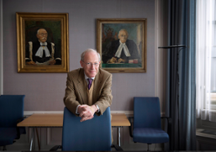
Jaap Spier will be interviewed in Spui25 (in Dutch) on his work in legal climate activism. Spier is one of the authors of the Oslo Principles, a set of Principles that comprise the essential obligations States and enterprises have to avert the critical level of global warming. Jaap Thielbeeke interviews…
-
Brief introduction to animal rights
 Category: News
The latest addition to the Dutch book series “Elementaire deeltjes” is a book on animal rights, Dierenrechten. Historian Dirk-Jan Verdonk explores past, present and future of the moral position ascribed to animals in theology, philosophy, science, law, and policy. Which responsibility do people have for animal welfare? Dirk-Jan Verdonk is…
-
Expecting the Unexpected: Getting Ready for a Wild Anthropocene
 Category: News
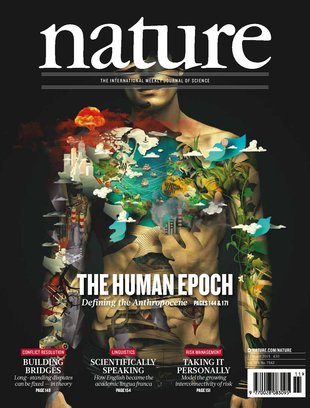
Lecture by Christopher Preston at the University of Amsterdam In 2016 the Anthropocene Working Group of the International Commission on Stratigraphy officially found that Earth has entered the Anthropocene. The purpose of this talk is to raise some questions surrounding the naming of this new epoch and to challenge some…
-
Video: Libby Robin on Environmental Humanities in Practice
 Category: News
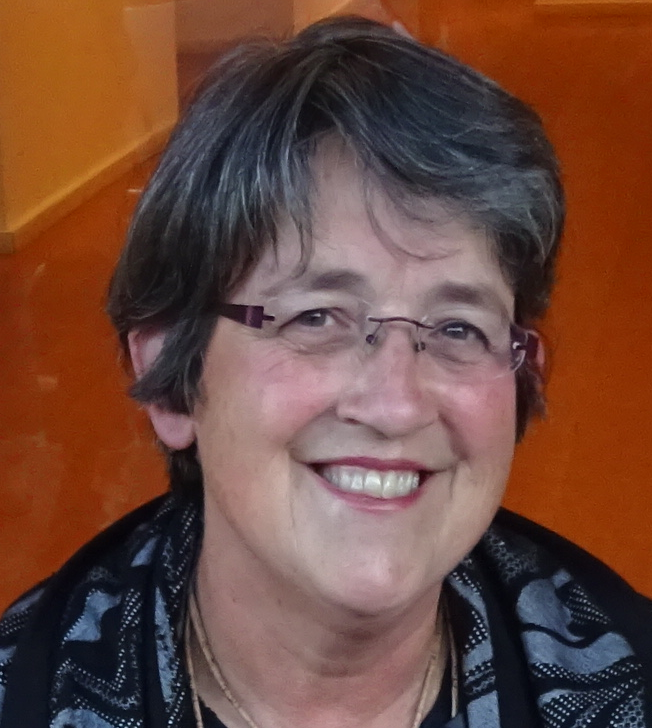
Libby Robin’s inspiring keynote at the launch of the Environmental Humanities Center on 4 November is now available online on our YouTube Channel. [youtube https://www.youtube.com/watch?v=lVkue9YyjrI] Libby Robin is Professor in the Fenner School of Environment and Society, Australian National University, Canberra, and affiliated professor at Royal Institute of Technology, Stockholm,…
-
Our Water Week
 Category: News
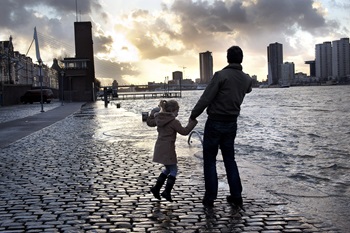
This is the week of ‘Our Water’ (Ons Water). The water lobby in the Netherlands has designated this week to organize activities to increase our awareness of water as an important theme in our society, as a threat (sea level rise, cluster showers), but also as an essential resource (drinking…
-
The Art of Deception
 Category: News
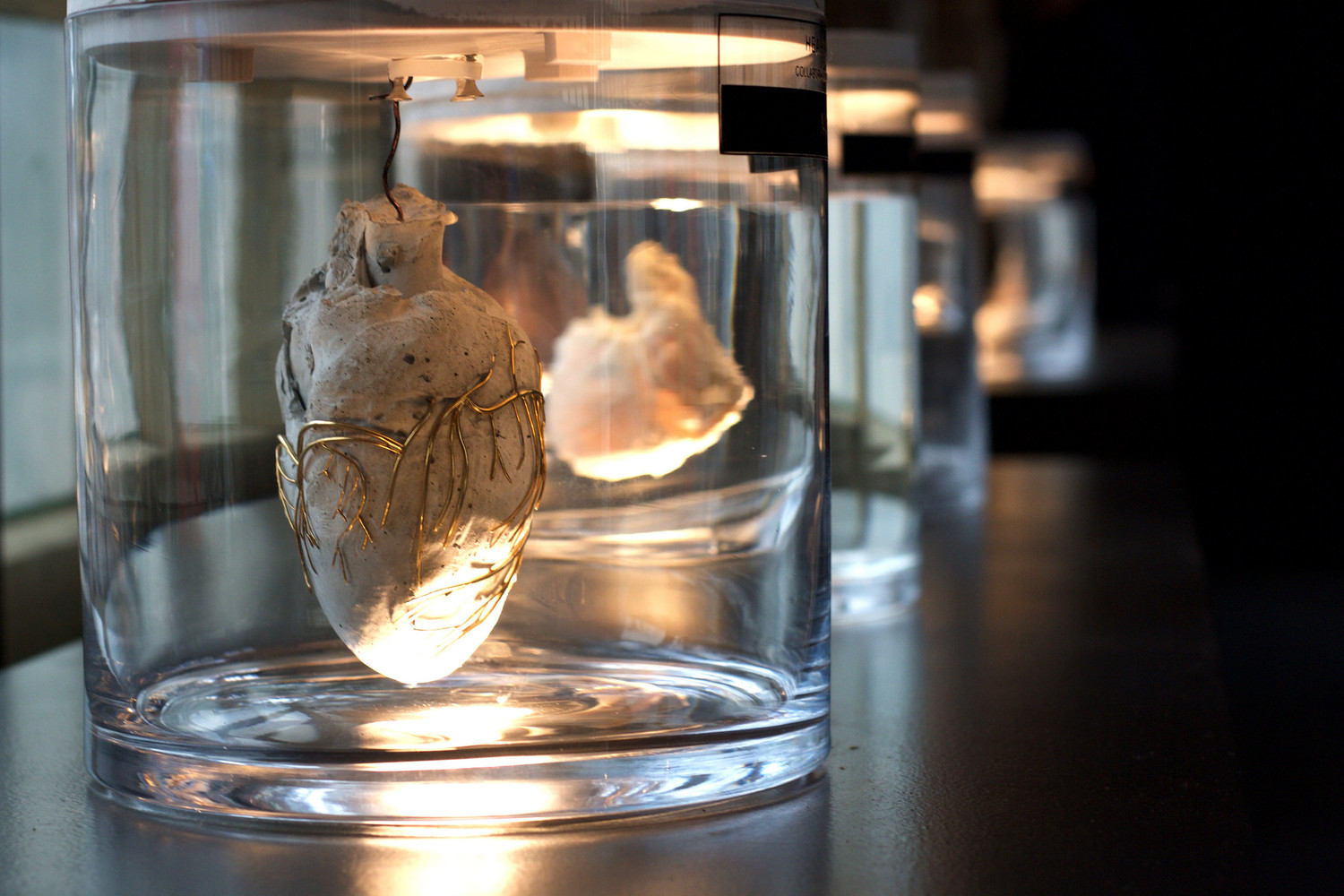
Exhibition by Isaac Monté, in collaboration with Toby Kiers Mediamatic, Amsterdam, 04-10-’16 / 14-02-‘17 Exhibition review by: Tim Renders This exhibition discusses the human urge for perfection by displaying transformed pigs hearts that resemble the urge for inner beauty. Belgian design activist Isaac Monté cooperated for this project with evolutionary…
-
CFP: Environmental Humanities and New Materialisms
 Category: NewsTags: conference, environmental humanities, environmental posthumanities, new materialisms, posthumanism
Environmental Humanities and New Materialisms The Ethics of Decolonizing Nature and Culture 8th Annual Conference on the New Materialisms 7-9 June 2017, Paris Environmental Humanities and New Materialisms share an ethic of decolonizing nature and culture, as they depart from anthropocentric and constructivist positions. Our call is to consider ourselves…
-
Lecture on Biophilia in the Anthropocene by Artis professor Erik de Jong
 Category: NewsTags: anthropocene, biophilia, Erik de Jong, human-animal-nature relations, nature-culture, Tirza Brüggemann
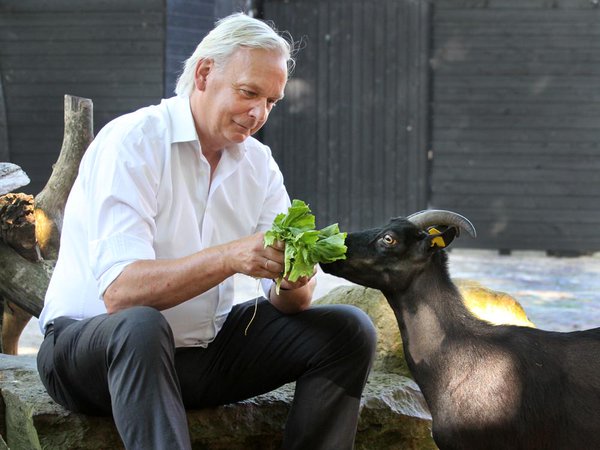
Biophilia Lecture by Erik de Jong, Artis Professor (in Dutch) Friday 18 November, 15-17hrs at VU University Amsterdam, Main Building, room 1A-33 With a response by Tirza Brüggemann Erik de Jong holds the Artis Chair for Culture, Landscape and Nature at the University of Amsterdam. In his lecture he wonders…
-
Workshop smARTcities and Waste Network
 Category: News
Techno-Scientific Innovation and Waste Opportunities and Consequences Van Eyck Institute, Maastricht 9th December 2016, 9.30-5pm The theme of the Maastricht workshop is Techno-Scientific Innovation and Waste; Opportunities and Consequences. This theme has developed “organically” from two main sources: The local context of Maastricht, particularly in relation to the post-industrial status…