
When:
Tuesday, 27 October 2026, 12:45–13:30
Where:
Vrije Universiteit Amsterdam,
Main Building (De Boelelaan 1105, Amsterdam), room HG-1B14
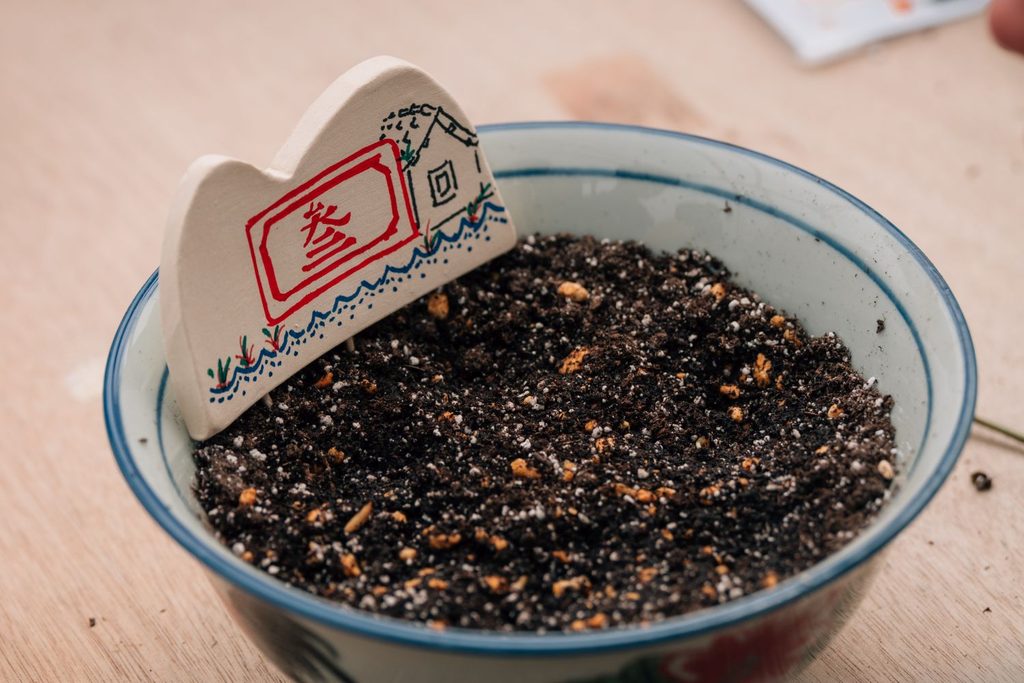
Growing awareness of environmental urgencies and shifting ecological conditions has sparked interest among East and Southeast Asian artists in developing new multidisciplinary methods for working with plants and plant-based materials. The book project from which this talk emerges examines tangible and intangible artworks that incorporate plants or plant-based matter as a constitutive element for investigating alternative narratives, engagements, and forms of co-existing.
Drawing from ecocritical art history and plant humanities, the study situates close analyses of selected art works and projects within broader environmental histories and ecological contexts. By foregrounding the diverse relations between art and the botanical, I conceptualize plants simultaneously as material, medium, method, and active agent. This talk takes up one strand of these transformative engagements: the expanding attention to working with living plants. In so doing, it also probes the challenges that arise, including the ethical reconsiderations required when living organisms become artistic collaborators rather than raw material.
Dr. Minna Valjakka (Senior Researcher / Associate Professor of Art History and Asian Studies, Department of Philosophy, History and Arts Studies, University of Helsinki) is a contemporary art historian specializing in East and Southeast Asian artistic and creative practices. Working at the intersection of ecocritical art history, urban studies, and environmental humanities, she investigates how diverse interventions in public spaces engage with environmental issues and civil society formation.
She leads the interdisciplinary research project Ecological Conjunctions: Contemporary Arts and Natural Science Collaborations for Civil Society Formation (EcoConjunctions, 2024-2028) and conducts the individual study Plants, Knowledge, and Contemporary Arts in East and Southeast Asia (2026-2028), funded respectively by the Research Council of Finland and the Kone Foundation.
This on-site event is free of charge and open to the public.


Leave a Reply